
How Project-Based Learning Can Provide Skills For Real World Success
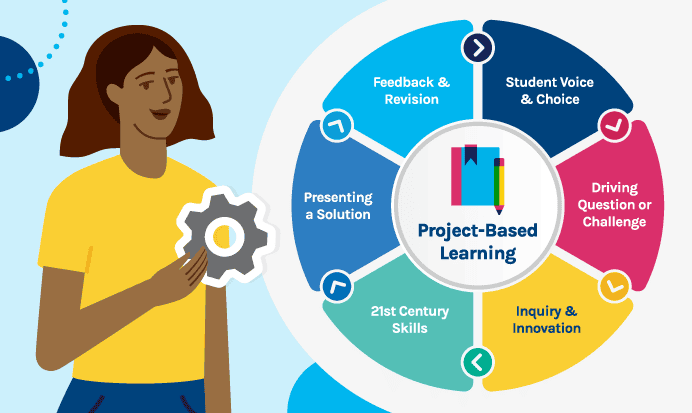
Project-based learning has quickly become an indispensable element of modern education, shifting emphasis away from memorizing facts towards applying knowledge in everyday situations. Students take charge of their learning by engaging in hands-on projects based on real-life scenarios instead of passively listening. This approach helps students better comprehend things while building up confidence as they navigate real-life challenges. It also illustrates how they can approach future problems more successfully through cooperation, communication and taking initiative rather than memorizing facts alone. Finally, this part makes clear what it means to apply learning in daily life while showing why project-based learning has grown increasingly popular in schools and institutions worldwide.
Link Learning With Real-World Situations
Project-based learning offers several distinct advantages for students. When students undertake tasks related to business or the community, they begin to understand how industries function – even an online property directory online Australia may help kids learn market trends, population expansion trends and planning ideas during these activities – rather than just learning theory about them in class. Kids also develop essential observation and critical thinking abilities by reviewing real life case studies for facts before drawing their own conclusions – skills which will serve them well outside the classroom environment.
Strengthen Team Leadership And Collaboration
Students engage in group learning projects as an excellent way to develop teamwork and leadership abilities, learning how to work as one towards reaching common objectives together. Each student takes on specific duties such as planning, researching or presenting, while they work towards reaching common objectives together. When working collaboratively on building models or planning campaigns they experience communication issues similar to what people face at work – as do vocational projects which use resources like local trades directory so students may gain more information about genuine service providers helping communities. Such exposure helps children learn about roles responsibilities deadlines essential skills when entering the workplace environment!
Foster Independent And Critical Thinking Skills
Project-based learning helps develop critical thinkers. Instead of simply receiving answers for everything, students are encouraged to explore, investigate and choose their own solutions, similar to analytical reasoning needed in complex jobs that necessitate daily decisions. Social studies or law classes could teach this same way when discussing how legal professional settle disagreements or understand evidence giving students confidence when defending views while understanding logical thought works more fully – life skills beyond simply doing well academically.
Building Your Communication And Presentation Skills
Communication plays an integral part in project-based learning as students must clearly and confidently explain what they have learned. They write reports, create visual presentations and discuss anything which requires clarity or organization. Regular exercise helps strengthen communication. No matter which profession people pursue – be it teaching, engineering, sales or otherwise – effective communication is vitally important to success in all fields. Students also develop skills in tailoring their message according to who is listening, which are typically put to use during activities like guest post, content development and marketing. By improving how they speak to others they gain a significant edge both professionally and personally.
Assuring Students Are Prepared For Future Employment Needs
Project-based learning provides students with an important foundation for success by showing them a glimpse of how real businesses operate. Planning, budgeting, documenting data and analyzing outcomes all play an essential part in any activity similar to work environments – like planning budgets or documenting data sets from activities conducted as projects – just like doing actual jobs themselves. Employers appreciate when students quickly adapt when faced with unexpected problems that need solving fast as part of project completion – something employers also value greatly since these strategies teach children resilience as projects frequently need adjusting throughout development as projects take time & work – helping prepare them when entering into jobs where working alongside other colleagues is expected.
Final Thoughts
Project-based learning is an effective method that empowers students to transform what they learn at school into useful abilities they may use throughout life. By striking a balance between theory and practice, project-based learning fosters confidence, creativity and flexibility among its participants – becoming confident individuals with great minds! As industries change and children need practical skills that they’ll actually use; Project-based learning meets this demand by offering real world tasks for children that teach communication, responsibility and autonomous thinking that ultimately make an impactful contribution both personally and professionally later down the road!