
UV Resistant Surface Materials for Lasting Interiors
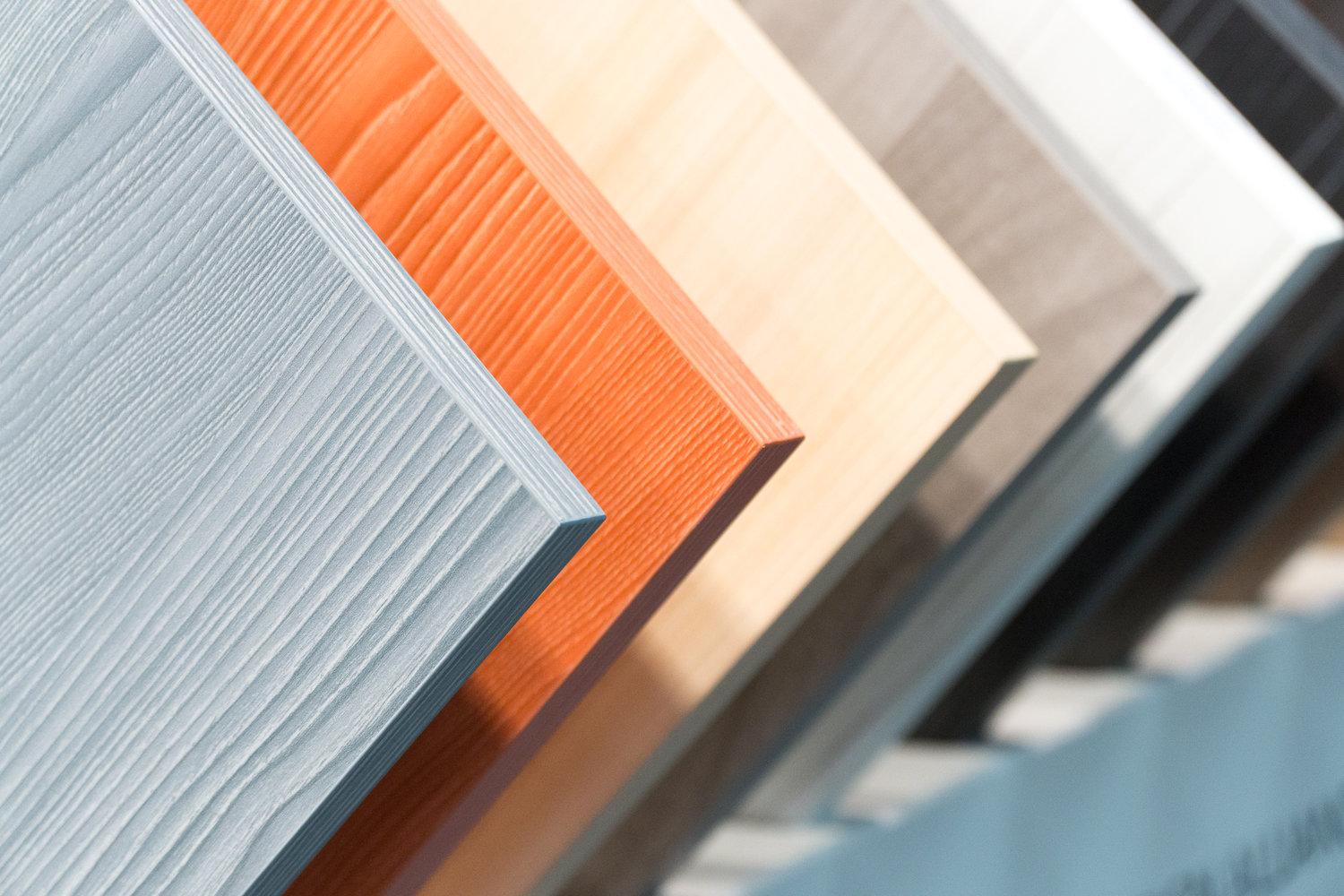
In modern design, UV resistant surface materials have become increasingly important for spaces that need to maintain their appearance over time. Sunlight can enhance a room, but constant exposure may also lead to fading, discoloration, and uneven surface aging. In homes, offices, hospitality spaces, healthcare interiors, retail stores, and mixed-use developments, the right material choice helps protect both visual quality and long-term value. That is why architects, designers, builders, and property owners continue to pay closer attention to surfaces that can better withstand light exposure in everyday environments.
Hyundai L&C, located at 1760 Corporate Dr., Norcross, Georgia 30093, offers surfacing solutions for projects where durability, design consistency, and lasting appeal matter. In today’s interiors, surface materials are expected to do more than simply look attractive on installation day. They must continue performing as conditions change, especially in bright spaces with large windows, open layouts, skylights, and direct natural light. This is where UV resistant surface materials stand out as a smart choice for long-term design performance.
Why UV Resistant Surface Materials Matter More Today
Natural light is one of the most desired features in modern architecture and interior design. Open spaces, larger windows, glass walls, and bright interiors are now common across residential and commercial projects. While this creates a more welcoming and high-end atmosphere, it also places more pressure on materials that remain exposed to sunlight for long periods.
Without the right surface selection, exposure to UV light can gradually affect the appearance of countertops, vanities, wall applications, worktops, and other visible surfaces. Fading, loss of color depth, and inconsistent surface appearance can make an otherwise well-designed space feel older sooner than expected. That is why UV resistant surface materials are more relevant than ever.
These materials help support:
- Better color stability over time
- More consistent design appearance
- Stronger long-term value
- Reduced visible aging in sunlit spaces
- Greater confidence in material performance
In many projects, visual longevity matters just as much as day-one appearance. A surface that continues to look strong under daily light exposure can help preserve the overall quality of the space.
The Hidden Design Risk of UV Exposure
Many people focus on durability in terms of scratches, stains, or moisture. Those are important concerns, but sunlight exposure is often underestimated. UV light does not always cause dramatic change overnight. Instead, it can affect surfaces gradually, which makes the issue easier to overlook during early material selection.
This is what makes UV resistance so valuable. It protects against subtle but meaningful changes that may affect the entire room over time. A faded countertop, uneven wall finish, or surface that loses its original depth of color can change how the whole space feels. Even if the structure remains functional, the visual decline can weaken the design.
This is especially important in spaces such as:
- Sun-filled kitchens
- Open-plan living areas
- Window-facing reception desks
- Hospitality lounges
- Bright office interiors
- Retail spaces with storefront exposure
- Skylit commercial settings
- Residential bathrooms with direct natural light
In these environments, UV resistant surface materials help maintain the original intent of the design for a longer period.
What Makes UV Resistant Surface Materials a Smart Choice
A strong surface should not only match the visual concept of the project. It should also support the real conditions of the space. In bright interiors, UV resistance becomes part of smart planning because it helps protect both beauty and performance.
Better Color Retention
One of the main benefits of UV resistant surface materials is stronger color stability. In spaces with frequent sunlight exposure, color retention matters because it helps surfaces maintain their original tone and finish. This is especially important in projects where visual consistency supports the overall design quality.
Stronger Long-Term Appearance
A high-quality interior should continue looking polished well after completion. Materials that better resist UV-related fading help the room stay more aligned with its original design character. This can improve homeowner satisfaction, client confidence, and the long-term impression of the property.
More Reliable Performance in Bright Spaces
Not every room receives the same amount of light. Areas close to large windows, glass walls, and direct sun exposure need more thoughtful material choices. Surfaces designed to better manage these conditions provide a more dependable solution in high-light environments.
Better Value Over Time
A surface that ages unevenly may require earlier replacement or reduce satisfaction with the finished project. Choosing UV resistant surface materials can help protect the investment by supporting stronger visual durability over the life of the space.
Best Applications for UV Resistant Surface Materials
These materials are especially useful in areas where direct or frequent sunlight is part of the daily environment. The more visible the surface and the greater the light exposure, the more important UV resistance becomes.
Kitchen Countertops Near Windows
Modern kitchens often feature large windows, open layouts, and bright central islands. Countertops in these spaces receive regular daylight exposure, making UV resistant surface materials a smart option for maintaining color and finish quality over time.
Bathroom Vanities in Bright Interiors
Bathrooms with natural light feel open and elevated, but vanities near windows or under skylights may experience more light exposure than expected. Stronger UV resistance helps preserve a cleaner and more consistent appearance.
Reception Desks and Front Counters
Commercial reception areas often use glass entrances and open light-filled layouts. These surfaces are highly visible and directly tied to first impressions. A UV-resistant finish helps these counters stay polished in client-facing environments.
Hospitality Spaces
Hotels, lounges, resorts, and restaurants often rely on natural light to create a warm and upscale atmosphere. Surfaces in these spaces need to support both aesthetics and durability, especially in guest-facing areas exposed to sunlight throughout the day.
Office Interiors
Bright offices are now a common design preference because they support comfort and employee well-being. Conference room counters, pantry surfaces, restroom vanities, and collaborative work areas in these environments benefit from materials that can maintain their appearance in sunlit conditions.
Retail Environments
Retail stores with storefront windows or strong daylight exposure need surfaces that continue to look clean, premium, and consistent. Service counters, display zones, and feature surfaces all benefit from UV-conscious material choices.
Residential Living Spaces
In homes, surface materials used in kitchens, bathrooms, feature walls, built-ins, and open living areas may all be affected by prolonged light exposure. Choosing UV-resistant options can help preserve both comfort and design satisfaction.
How UV Resistant Surface Materials Protect Design Intent
A well-designed space is built around a specific visual direction. The color palette, lighting, finishes, and layout all work together to create a certain atmosphere. When surface fading begins to alter that balance, the original design intent can weaken.
This is why UV resistant surface materials support more than durability. They protect the visual story of the space. A room that was meant to feel crisp, premium, warm, or contemporary depends on finishes staying true to their intended appearance. When surfaces maintain their tone and character, the space continues to feel complete.
This matters for:
- Brand-led commercial interiors
Businesses rely on consistent presentation to support credibility and recognition. - Hospitality environments
Guest perception depends heavily on atmosphere and visual quality. - Upscale residential projects
Homeowners want finishes that continue to feel elevated over time. - Workspaces and public interiors
Strong presentation supports professionalism and trust.
Practical Tips for Choosing UV Resistant Surface Materials
Material selection becomes more effective when it considers the actual lighting conditions of the project. Before finalizing surfaces, it helps to evaluate how sunlight interacts with the space across the day.
Here are five practical tips:
- Identify the brightest zones first
Look at where windows, skylights, and glass walls create the most consistent exposure. - Review which surfaces are most visible
Countertops, vanities, front desks, and feature areas often need stronger visual longevity. - Think beyond immediate appearance
A sample may look beautiful now, but long-term exposure is what matters most in bright spaces. - Match surface performance to project conditions
Sunlit kitchens, bright offices, and storefront interiors all need more thoughtful material planning. - Choose a trusted surface brand
Consistency, reliability, and product quality all matter when selecting finishes meant to last.
Why UV Resistance Matters for Commercial and Residential Value
Surface performance affects more than maintenance. It also affects perception of quality. A room with faded surfaces may feel less premium, even if everything else remains in place. A room with finishes that hold their appearance better often feels newer, cleaner, and more thoughtfully built.
This is why UV resistant surface materials support long-term value in both commercial and residential settings. In businesses, they help maintain brand presentation and guest confidence. In homes, they protect the experience of living in a bright and beautiful space without watching finishes age too quickly.
For property owners, this can mean:
- Better long-term satisfaction
- Improved visual consistency
- Less concern about premature aging
- More confidence in bright, open layouts
- Stronger protection of the overall design investment
Trends Driving Demand for UV Resistant Surface Materials
Design preferences continue moving toward brighter, more open interiors. Larger windows, indoor-outdoor visual flow, and daylight-focused layouts are now central to many new builds and renovation projects. As these trends continue, the demand for surfaces that can better manage sunlight exposure is also growing.
Today’s project teams often prioritize:
- Bright and airy interiors
- Long-lasting finish quality
- Better resistance to visible fading
- Materials that support modern architecture
- Stronger value from surface investments
Because of this shift, UV resistant surface materials are becoming a more important part of the specification process. They are no longer a minor consideration for select projects only. In many cases, they are a practical standard for spaces designed around natural light.
Why Hyundai L&C Is a Strong Choice for Bright Interior Projects
Hyundai L&C continues to stand out as a trusted source for surfacing solutions that combine design appeal with practical performance. In projects where sunlight exposure is part of the environment, this balance becomes even more important. Property owners and design professionals need materials that not only complement the visual concept, but also support how the space will perform over time.
For residential and commercial projects alike, Hyundai L&C offers surfacing solutions suited for modern interiors where long-term appearance matters. From kitchens and vanities to worktops, counters, and high-visibility applications, thoughtful material selection can make a clear difference in how the finished space holds up.
Located at 1760 Corporate Dr., Norcross, Georgia 30093, Hyundai L&C remains a strong fit for projects where UV-conscious surface choices support better long-term results.
Key Benefits of Choosing UV Resistant Surface Materials
The right surface strategy can support several goals at once:
- Better color stability
- Stronger visual longevity
- Reduced risk of visible fading
- Better performance in sunlit interiors
- More confidence in open, bright designs
- Improved long-term value
These benefits matter anywhere surface appearance plays a visible role in the quality of the space.
Conclusion
The best UV resistant surface materials do more than handle light exposure. They help preserve color, protect design intent, and support interiors that continue looking polished in bright conditions over time. From kitchens and bathrooms to offices, hospitality spaces, retail environments, and residential living areas, the right surface can make a lasting difference in both appearance and value. Hyundai L&C offers surfacing solutions designed for projects where durability, visual consistency, and long-term performance matter. Visit https://hyundailncusa.com/ to explore surface materials built for bright interiors that need to stay beautiful and perform with confidence every day.