
How to Build a Long-Term Emergency Food Supply That Won’t Go to Waste
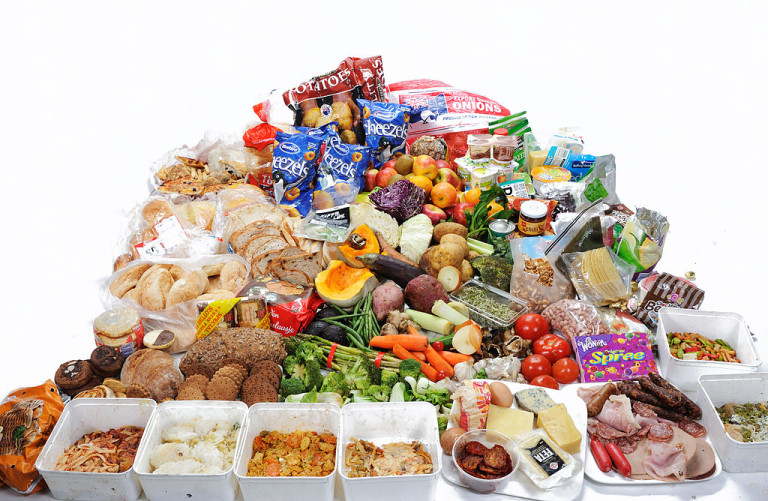
Building an emergency food supply is one of those projects that sounds simple until you actually try it, at which point most people either overbuy food they will never eat or underbuy and end up with a pantry that looks reassuring but would not actually last a week.
FEMA’s own research has found that the average American household has less than four days of food on hand at any given time, while real disasters routinely disrupt normal supply chains for two to six weeks or longer.
This guide covers how to size a realistic food supply, which staples give you the most value for the least money and space, and the rotation habits that keep a stockpile actually usable rather than a forgotten closet full of expired cans.
Sizing Your Supply in Layers
Rather than trying to build one giant undifferentiated stockpile, most experienced preppers think in layers, each covering a different length of disruption.
● A 3-day layer of familiar, ready-to-eat foods requiring no cooking or special preparation
● A 2-week layer of shelf-stable pantry staples that can be prepared with basic cooking
● A 1-month-or-longer layer of bulk grains, legumes, and freeze-dried foods for extended disruptions
Plan for roughly 2,000 calories per adult per day when sizing any of these layers, adjusting upward for physically demanding work, growing children, or particularly active households.
The Best Staples for Long-Term Storage
White rice, dried beans, and rolled oats form the backbone of most long-term food storage plans, since all three are inexpensive, calorie-dense, and can last twenty years or more when properly packaged.
Canned goods offer convenience and a reasonably long shelf life, typically remaining safe well past their printed date if the can itself shows no bulging, rust, or leaking, though flavor and texture are usually best within the first year or two.
Powdered milk and powdered eggs add protein and nutritional variety without the storage demands of their fresh counterparts, and both rehydrate well enough for regular cooking use, not just emergencies.
Salt, sugar, and cooking oil round out a basic staple list, since they store well and make the difference between food that is merely edible and food your household will actually want to eat.
Beyond the Basics: Nutrition and Morale
A stockpile built entirely from rice, beans, and canned vegetables covers calories but can wear thin on morale during an actual extended emergency, and food is as much psychological support as physical fuel during a stressful period.
Include a modest supply of comfort foods, whatever that means for your household, whether it is coffee, chocolate, or a favorite spice blend, since maintaining some normalcy in meals genuinely helps household morale hold up over a difficult stretch.
Multivitamins are worth including as a hedge against the reduced nutritional variety that comes with relying heavily on shelf-stable staples for an extended period, particularly for children and anyone with increased nutritional needs.
Rotate in a few complete, ready-to-eat meals requiring no preparation at all, since there will likely be moments during an actual emergency when cooking is simply not practical, whatever fuel or equipment you have on hand.
Packaging for Maximum Shelf Life
Mylar bags combined with oxygen absorbers are the standard method for extending the shelf life of dry staples like rice, beans, and oats far beyond what their original packaging would provide.
A cool, dry, dark storage location matters as much as the packaging itself, since heat, humidity, and light all accelerate the breakdown of stored food regardless of how well it was sealed initially.
Store bulk dry goods off the floor and away from exterior walls where temperature swings are greatest, and inspect regularly for any signs of pest activity, which spreads quickly through unprotected bulk storage.
Do Not Forget How You Will Cook It
A pantry full of rice and beans is only as useful as your ability to actually cook them, and a prolonged power outage can take a normal kitchen out of commission right when you need it most.
A simple camp stove with an ample supply of fuel canisters bridges that gap, letting you cook stored staples even without electricity or natural gas service. Always use camp stoves outdoors or in a well-ventilated area, never inside a closed home, due to carbon monoxide risk.
A manual can opener belongs in every emergency kit, since an electric one is useless the moment the power goes out, and it is a surprisingly common oversight even among otherwise well-prepared households.
Pair your food storage plan with an adequate water supply, since dried staples like rice, beans, and oats all require water to rehydrate and cook, and a large stockpile of dry goods is of limited use without enough water on hand to actually prepare them.
The FIFO Rotation System
First In, First Out, generally shortened to FIFO, is the standard approach to keeping a food supply genuinely fresh rather than merely full. New purchases go to the back of a shelf or the bottom of a bin, and older stock moves to the front to be used first.
The simplest version of this system is buying only foods your household already eats regularly and storing a bit extra of each, so your emergency supply naturally cycles through your normal meals rather than sitting untouched in a separate stash.
Set a recurring reminder, ideally every three to four months, to physically check your stored food for damage, pest activity, or anything approaching its use-by window, and update your inventory as you go.
Common Long-Term Storage Mistakes
● Buying large quantities of unfamiliar food your household has never actually eaten or prepared before
● Storing everything in one location with no protection against a single point of failure like flooding
● Skipping labels and dates, which makes rotation guesswork rather than a reliable system
● Treating printed dates as hard expiration points rather than best-quality guidelines for most shelf-stable foods
● Never actually cooking with stored staples, which leaves a household unfamiliar with how to prepare them under real pressure
Special Dietary Considerations
Households managing food allergies, diabetes, or other dietary restrictions should build their emergency supply around shelf-stable versions of foods they already safely eat, rather than assuming generic emergency food kits will fit their needs.
Anyone managing diabetes benefits from emphasizing protein and lower-glycemic staples in their stockpile, while gluten-free households can build around rice, corn-based products, and certified gluten-free packaged goods.
Building this kind of food resilience pairs naturally with the rest of a broader preparedness plan, and communities such as Ask A Prepper are a solid ongoing resource for recipe ideas and storage techniques specific to whatever staples your household relies on.
Final Thoughts
A genuinely useful emergency food supply is built in layers, stocked with staples your household will actually eat, packaged to last, and rotated consistently rather than forgotten in a closet.
Start with a realistic three-day layer, build outward as budget and space allow, and make FIFO rotation a habit rather than a one-time project, and your stockpile will still be there, fresh and usable, whenever you actually need it.