
How Motorcycle Maintenance Skills Can Save Riders Time and Money
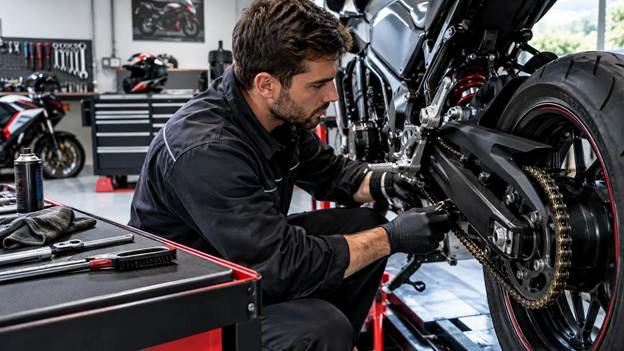
Motorcycles offer an enjoyable and practical way to travel, but keeping one reliable requires more than filling the fuel tank and checking tire pressure. Small mechanical issues can develop gradually, and ignoring early warning signs may turn a simple repair into an expensive problem.
For everyday riders, learning the basics of motorcycle maintenance can make ownership easier, improve reliability, and help them make better decisions when professional repairs are necessary.
Why Routine Motorcycle Maintenance Matters
Motorcycles contain interconnected systems that must work together correctly. The engine, fuel delivery system, electrical components, brakes, tires, and drivetrain all influence performance and safety.
Regular inspections help riders notice changes before they become serious. A loose chain, worn brake pads, leaking fluid, or deteriorating electrical connection may initially seem minor, but each can affect how a motorcycle performs.
A consistent maintenance routine also makes it easier to recognize unusual behavior. Riders who understand how their motorcycles normally sound, feel, and respond can often identify problems earlier than those who only pay attention when a warning light appears.
Five Maintenance Checks Every Rider Should Know
1. Inspect Tires and Tire Pressure
Tires influence grip, handling, braking, and overall stability. Riders should check tire pressure according to the manufacturer’s recommendations and inspect the tread for uneven wear, cracks, embedded objects, or other visible damage.
Incorrect pressure can affect handling and accelerate tire wear. Regular checks are particularly useful before longer journeys or after a motorcycle has been sitting unused for an extended period.
2. Monitor the Chain and Drivetrain
On chain-driven motorcycles, proper chain tension and lubrication are essential. A chain that is too loose, too tight, or poorly lubricated can wear prematurely and damage related components.
The correct adjustment varies by motorcycle, so owners should consult the service manual rather than rely on a universal measurement. They should also look for stiff links, unusual wear, and damaged sprocket teeth.
3. Pay Attention to Braking Performance
Changes in brake feel deserve immediate attention. A soft lever, unusual noise, vibration, fluid leakage, or reduced stopping performance may indicate a problem that requires professional inspection.
Brake fluid levels and pad condition should be checked according to the manufacturer’s service schedule. If braking performance suddenly deteriorates, the motorcycle should not continue to be ridden until the issue has been assessed.
4. Recognize Electrical Warning Signs
A weak battery, difficult starting, flickering lights, or intermittent electrical accessories can have several causes. The battery may be discharged, connections may be corroded, or the charging system may not be operating correctly.
Replacing parts without testing them can waste money and leave the original fault unresolved. Understanding electrical diagnosis helps distinguish between possible causes and identify the appropriate next step.
Riders who want to develop this technical knowledge can explore specialized motorcycle EFI and diagnostic training to learn more about electronic fuel injection systems and systematic troubleshooting.
5. Follow the Recommended Service Schedule
Engine oil, filters, spark plugs, coolant, and other service items require attention at intervals specified by the manufacturer. The correct schedule depends on the motorcycle’s design, mileage, age, and operating conditions.
Keeping maintenance records helps owners track completed work, plan upcoming services, and provide useful information to a mechanic when diagnosing a problem.
When Should You Call a Professional Mechanic?
Basic maintenance does not mean every repair should be handled at home. Some tasks require specialized tools, technical knowledge, or safety procedures that inexperienced owners may not have.
Engine problems, persistent overheating, charging-system faults, fuel injection issues, and brake repairs may require proper testing and professional expertise. Attempting repairs without understanding the underlying cause can create additional damage or introduce safety risks.
A qualified motorcycle technician follows a diagnostic process: confirming the symptoms, checking likely causes, using appropriate tools, and verifying that the repair has resolved the problem.
For people interested in developing practical mechanical skills, structured professional motorcycle repair training can provide a foundation in motorcycle components, maintenance procedures, and fault diagnosis.
A Smarter Approach to Motorcycle Ownership
Saving money on motorcycle maintenance does not mean postponing necessary repairs or choosing the cheapest possible replacement parts. It means understanding what your motorcycle needs, recognizing warning signs, and making informed decisions before small issues become larger ones.
Simple inspections, accurate maintenance records, and timely professional servicing can all contribute to more dependable performance. Just as importantly, knowing the limits of your own skills helps you decide which tasks are suitable for routine care and which require an experienced technician.
Whether someone rides every day or only on weekends, developing a better understanding of motorcycle maintenance can make ownership more predictable, practical, and rewarding.